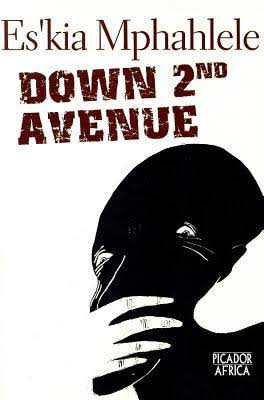
Nominated for the Nobel Prize in 1969, Es’kia Mphahlele is considered the Dean of African Letters and the father of black South African writing. Down Second Avenue is a landmark book that describes Mphahlele’s experience growing up in segregated South Africa. Vivid, graceful, and unapologetic, it details a daily life of severe poverty and brutal police surveillance under the subjugation of an apartheid regime. Banned in South Africa after its original 1959 publication for its protest against apartheid, Down Second Avenue is a foundational work of literature that continues to inspire activists today.
In his fascinating investigations into the psyche of the ants, their strangely rich inherited memory of instinct, Marais makes challenging assertions about the group soul of the termite colony – the cause and result of the termites’ ceaseless, automatic activity for their community. His extraordinary theory is that the termite colony is, in fact, a separate composite animal at a certain stage of its development.
The famously taciturn South African president reveals much of himself in Long Walk to Freedom. A good deal of this autobiography was written secretly while Mandela was imprisoned for 27 years on Robben Island by South Africa’s apartheid regime. Among the book’s interesting revelations is Mandela’s ambivalence toward his lifetime of devotion to public works. It cost him two marriages and kept him distant from a family life he might otherwise have cherished. Long Walk to Freedom also discloses a strong and generous spirit that refused to be broken under the most trying circumstances–a spirit in which just about everybody can find something to admire.
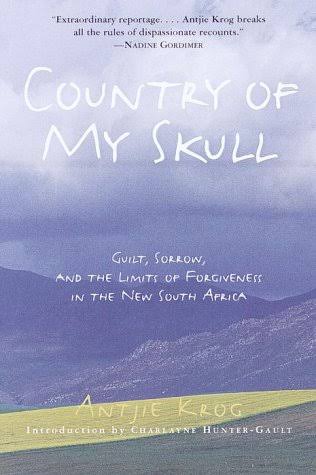
Ever since Nelson Mandela dramatically walked out of prison in 1990 after twenty-seven years behind bars, South Africa has been undergoing a radical transformation. In one of the most miraculous events of the century, the oppressive system of apartheid was dismantled. Repressive laws mandating separation of the races were thrown out. The country, which had been carved into a crazy quilt that reserved the most prosperous areas for whites and the most desolate and backward for blacks, was reunited. The dreaded and dangerous security force, which for years had systematically tortured, spied upon, and harassed people of color and their white supporters, was dismantled. But how could this country–one of spectacular beauty and promise–come to terms with its ugly past? How could its people, whom the oppressive white government had pitted against one another, live side by side as friends and neighbors?
To begin the healing process, Nelson Mandela created the Truth and Reconciliation Commission, headed by the renowned cleric Archbishop Desmond Tutu. Established in 1995, the commission faced the awesome task of hearing the testimony of the victims of apartheid as well as the oppressors. Amnesty was granted to those who offered a full confession of any crimes associated with apartheid. Since the commission began its work, it has been the central player in a drama that has riveted the country. In this book, Antjie Krog, a South African journalist and poet who has covered the work of the commission, recounts the drama, the horrors, the wrenching personal stories of the victims and their families. Through the testimonies of victims of abuse and violence, from the appearance of Winnie Mandela to former South African president P. W. Botha’s extraordinary courthouse press conference, this award-winning poet leads us on an amazing journey.
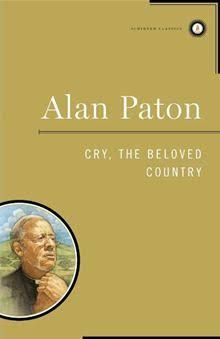
Cry, the Beloved Country is the deeply moving story of the Zulu pastor Stephen Kumalo and his son, Absalom, set against the background of a land and a people riven by racial injustice. Remarkable for its lyricism, unforgettable for character and incident, Cry, the Beloved Country is a classic work of love and hope, courage and endurance, born of the dignity of man
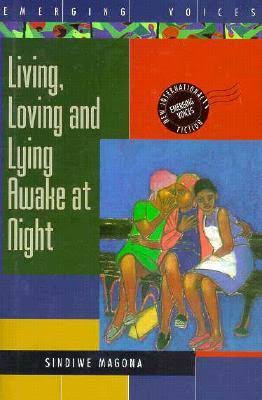
A first book of short stories from this writer, exploring the range of female experiences in South Africa, from the village to the towmships, and whose tone ranges from humour to tragedy.
This is the moving story of the unforgettable Rosa Burger, a young woman from South Africa cast in the mold of a revolutionary tradition. Rosa tries to uphold her heritage handed on by martyred parents while still carving out a sense of self. Although it is wholly of today, Burger’s Daughter can be compared to those 19th century Russian classics that make a certain time and place come alive, and yet stand as universal celebrations of the human spirit. Nadine Gordimer, winner of the 1991 Nobel Prize in Literature, was born and lives in South Africa.
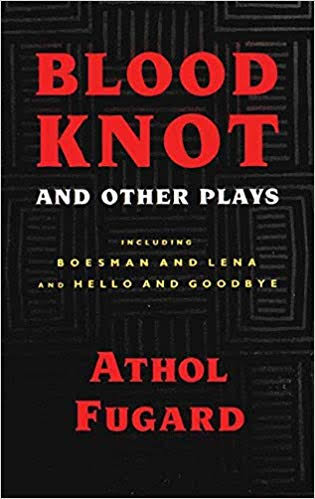
Blood Knot is a play about two brothers, who live in a one-room shack in a crumbling section of Port Elizabeth, South Africa. They are different in temperament, but they reaffirm and support each other. Morris is a light-skinned colored man, Zachariah is a black man. They are half-brothers, who have the same mother. They have shared the same one-room shack for about a year. Zachariah works as a gatekeeper at a park. His job is to keep black people from coming into the whites-only park. He has footsores, from having to stand on his feet all day. Morris prepares hot water for Zach to bathe his feet. Morris has been saving the money that Zach earns, so that they can buy a two-man farm. Meanwhile, the lonely Zachariah has struck up a pen-pal relationship with a white girl, and entertains fantasies that she might fall in love with him. The more level-headed Morris tries to disabuse Zachariah of such notions, and warns him that in segregated South Africa, such a relationship can only mean trouble, especially since the girl has indicated in letters that she has a brother who’s a policeman. The girl says in her next letter that she is coming to visit Port Elizabeth, and that she wants to meet Zach. She does not know that he is black. Zach suggests that, since Morris is light-skinned, he should take Zach’s place, and pretend to be a white man. Zach spends their savings on a suit of clothes for Morris, telling him that he should go to see Ethel. In the end the girl decides not to visit. Morris and Zachariah will, apparently, remain together for many unhappy years to come, needing each other, but unable to bridge the gap brought about by their respective skin tones.
 African Series


 African Series