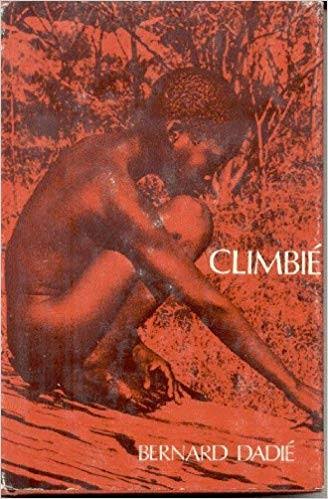
This book gives glimpses into the life of Climbié, a young boy from the Ivory Coast as he attends colonial French school, and then follows him to Dakar, Senegal where he finishes school and becomes a clerk. Upon his return to the Ivory Coast, he begins to speak out against colonial oppression and is imprisoned. Throughout the novel, the author attempts to show the tension between Africans, Europeans, and the people who are caught between the two worlds.
The work, in the author’s words, intend to poetically transmit the daily life of Mozambicans, at a time marked by the struggle against colonial occupation Karingana ua karingana is the expression used by rongas when they begin to tell a traditional story. The listeners answer karingana !. Corresponds to the expression «once upon a time» used in Portuguese in the same situation.
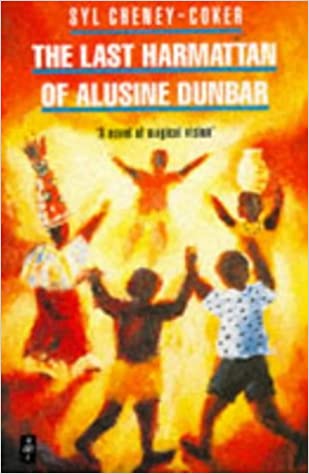
In a chimerical world of illusion and truth, fired by a language that challenges the imagination, this book tells the story of a Sierra Leone-like country, from the time of the freed black American slaves who returned to Africa.
In a South Africa turned by war, Michael K. sets out to take his ailing mother back to her rural home. On the way there she dies, leaving him alone in an anarchic world of brutal roving armies. Imprisoned, Michael is unable to bear confinement and escapes, determined to live with dignity. This life affirming novel goes to the center of human experience—the need for an interior, spiritual life; for some connections to the world in which we live; and for purity of vision.
Ben Du Toit is a white schoolteacher in suburban Johannesburg in a dark time of intolerance and state-sanctioned apartheid. A simple, apolitical man, he believes in the essential fairness of the South African government and its policies—until the sudden arrest and subsequent “suicide” of a black janitor from Du Toit’s school. Haunted by new questions and desperate to believe that the man’s death was a tragic accident, Du Toit undertakes an investigation into the terrible affair—a quest for the truth that will have devastating consequences for the teacher and his family, as it draws him into a lethal morass of lies, corruption, and murder.
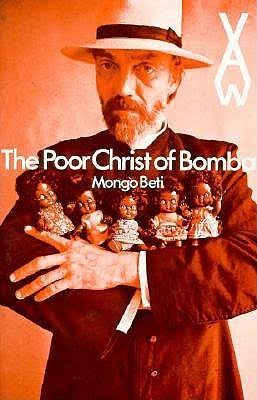
In Bomba girls are being prepared for Christian marriage. Gradually it becomes apparent that the local churchmen have been using the girls for their own purposes.
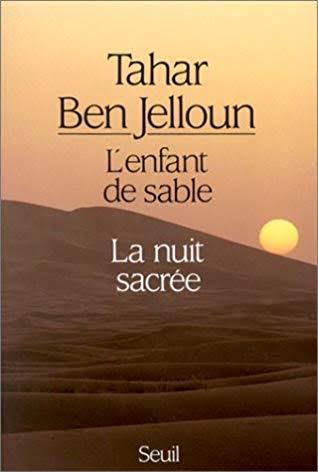
In the 1920s, the story of the eighth daughter of a Moroccan family whose sex was hidden from everyone and who was raised in the tradition of males until the age of 21 under the name of Ahmed.
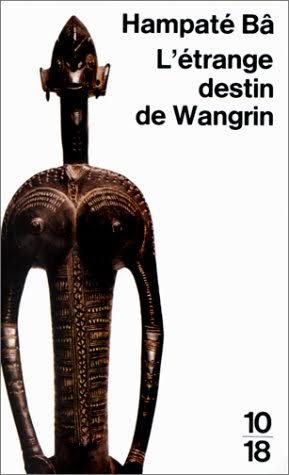
Amadou Hampaté Bâ, great defender of the African oral tradition, tells here the story of Wangrin, the man who will manage to rise to the summit of power and fortune by defying luck with impunity. He will even succeed in the supreme feat of driving the “Gods of the Bush”: Gentlemen-the colonial administrators! But sometimes the gods get angry …
The death of Senhor Napumoceno da da Silva Araújo, an illustrious merchant from Mindelo, the opening of the testament shows in surprises. More than a will, it is 387 pages of memoirs, which shows the dead man’s face, the vicissitudes of the dissolved life, has his secret daughter and its hatred of his nephew Carlos that deprived its expected heritage.
 African Series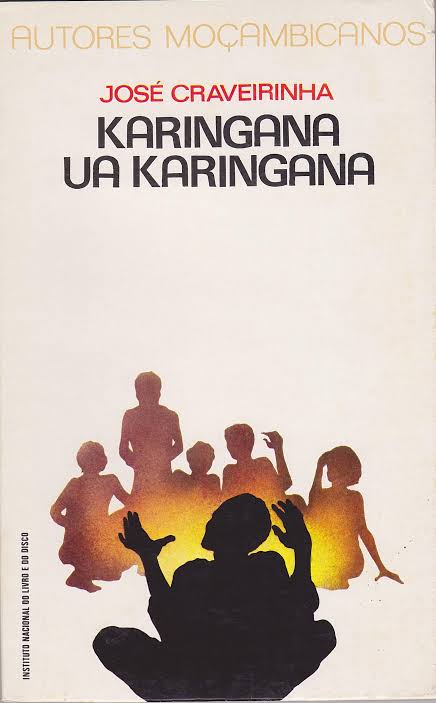



 African Series