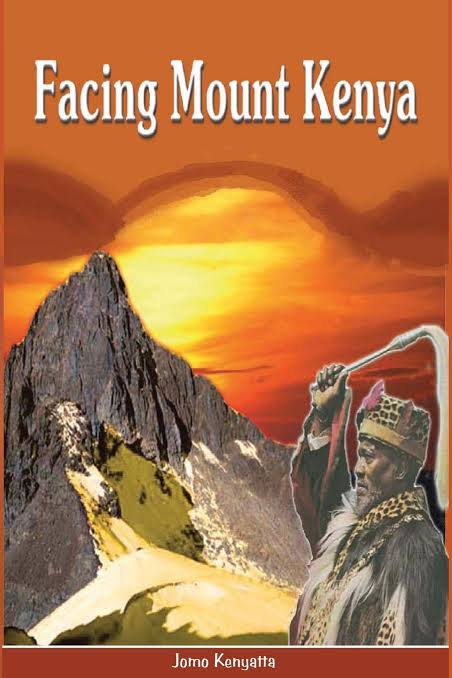
Facing Mount Kenya is a central document of the highest distinction in anthropological literature, an invaluable key to the structure of African society and the nature of the African mind. ‘Facing Mount Kenya’ is not only a formal study of life and death, work and play, sex and the family in one of the greatest tribes of contemporary Africa, but a work of considerable literary merit. The very sight and sound of Kikuyu tribal life presented here are at once comprehensive and intimate, and as precise as they are compassionate.
Kiswahili is the fastest growing African language. The author, Professor of Kiswahili at Egerton University, here describes this growth and examines Kiswahili as an alternative to European languages in East Africa and as an international language for Africa. He covers the controversial theories of the origination and development of Kiswahili, the effects of the use of English as the language of instruction in Kenya and the status of Kiswahili in trade, religion and politics in East and Central Africa, within a continental context. A country analysis of Tanzania, Kenya and Uganda reveals the spread of Kiswahili as a mother tongue and second language; its use in creative writing and music, and its status in language policies. The argument for Kiswahili as the language of Africa is also discussed.
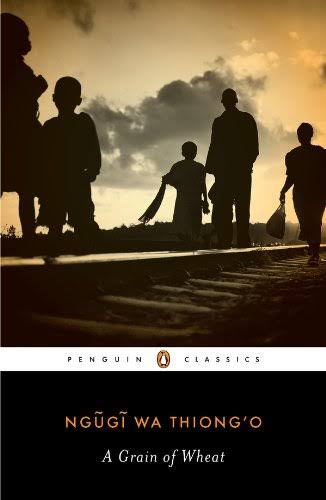
Ngugi wa Thiongo, a writer from Kenya, depicts some of the dilemmas that face an emerging nation in this novel in whicha village prepares for the coming of independence.
 African Series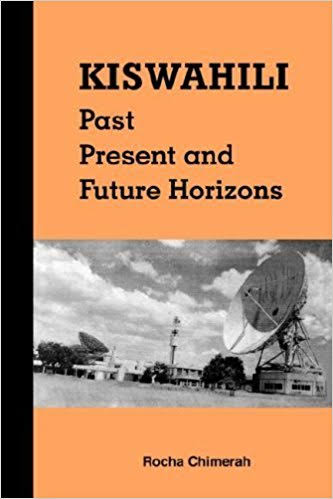
 African Series